
Quick answer
Hluhluwe-iMfolozi Park ranks among the best safari in africa to see the big 5 because it protects viable populations of all five species within 96,000 hectares of varied terrain. White rhino numbers exceed 1,600—the densest population on the continent—while black rhino, lion, leopard, elephant, and buffalo occupy overlapping territories. Dry-season months from May to September concentrate wildlife around permanent water sources, and early morning game drives between 05:00 and 08:00 yield the highest predator activity.
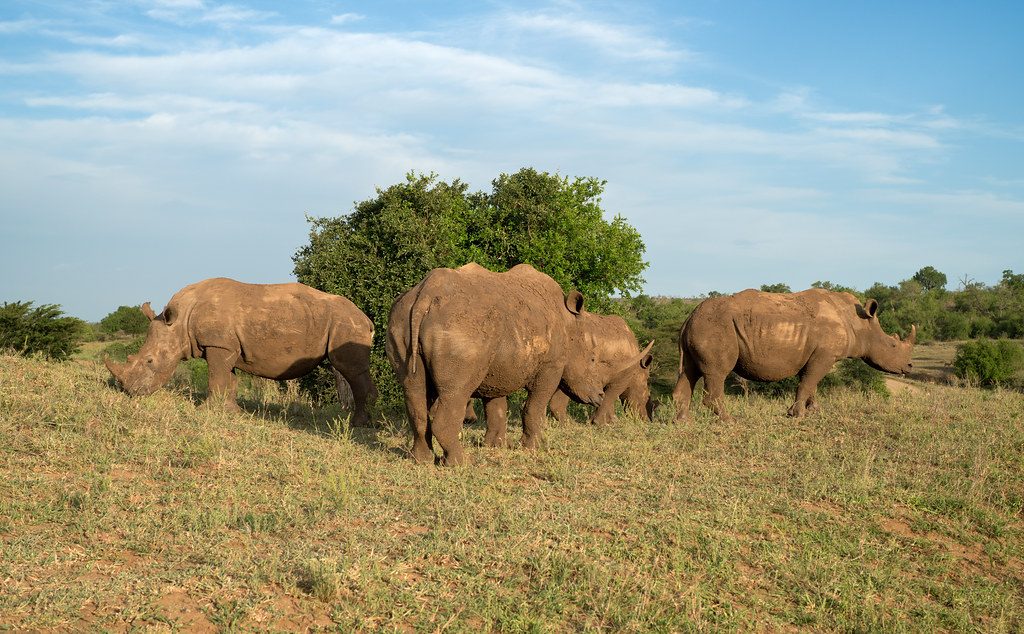
Hluhluwe-iMfolozi was the birthplace of modern white rhino conservation. When the species neared extinction in the early 20th century, fewer than 50 individuals survived here. Controlled breeding and translocation programs reversed that collapse, and today the park sustains the world's largest white rhino population alongside approximately 400 critically endangered black rhino. That dual achievement makes it the most reliable reserve on the continent for close-range rhino encounters, often multiple sightings per drive. The best safari in africa to see the big 5 depends on habitat structure, prey density, and predator territory size. Hluhluwe-iMfolozi delivers on all three. The northern Hluhluwe section comprises steep, forested hills cut by river valleys—ideal leopard habitat and the corridor elephants use between feeding zones. The southern iMfolozi section spreads across open thornveld and acacia savanna, where lion prides hunt impala and zebra and buffalo herds graze in groups exceeding 200 animals. This terrain diversity compresses the Big Five into overlapping ranges, raising encounter probability. Lion sightings cluster in the iMfolozi wilderness area, particularly along the Black iMfolozi and White iMfolozi river systems where prey congregates. Leopard sightings require patience—the species is solitary and crepuscular—but the Hilltop Camp perimeter and Sontuli loop record consistent tracks and territorial calls. Elephant bulls move between the two sections; breeding herds favor the Hluhluwe woodlands where marula and sycamore fig provide year-round forage. Buffalo herds occupy both zones, with the largest concentrations in iMfolozi's central plains during the dry months. A Big Five safari in Hluhluwe-iMfolozi differs from flagship reserves in one operational respect: the park permits self-drive access on all main tourist routes. Visitors enter at Memorial Gate, follow a network of gravel and tar loops, and stop at designated lookout points without a professional guide. That independence lowers cost and extends flexibility, but it also shifts responsibility—tracking ability, patience at water holes, and knowledge of animal behavior determine outcome. Guided game drives operate from the three main rest camps and improve sighting rates through radio coordination and tracker experience. Conservation levies fund anti-poaching units, veterinary intervention, and ecological research. The 240 ZAR daily conservation fee supports those operations and grants access from 05:00 to 19:00. Arrival within the first two hours of gate opening aligns with peak predator movement, cooler temperatures, and lower vehicle density on the loop roads. The park remains one of the most accessible and consistently productive Big Five destinations in southern Africa.
“Hluhluwe-iMfolozi was the birthplace of modern white rhino conservation, reversing a species collapse that left fewer than 50 individuals alive.”
The Best Time for the Best Safari in Africa to See the Big 5
The dry season, spanning May to September, provides the optimal window for wildlife viewing as vegetation thins and animals congregate around water sources. For the highest probability of sighting the Big 5, prioritize early morning excursions when predator activity peaks before the day's heat sets in.
Dry Season (May–Sep)
Moderate to lowCooler, dry (10°C–25°C); high visibility. Animal movement increases as they gather at waterholes.
Wet Season (Oct–Apr)
ModerateWarm, humid (20°C–32°C); lush greenery. Dense foliage can make tracking predators more challenging.
Early Morning
Low density—; Ideal for spotting active predators. Wildlife is most mobile before the midday heat.
Verdict: Plan your visit for the dry season between May and September, ensuring your arrival window is between 05:00–07:00 to maximize encounters with the Big 5.
Opening Hours for the Best Safari in Africa to See the Big 5
Hluhluwe-iMfolozi Park operates on a consistent daily schedule throughout the year. Visitors are welcome to access the park during the following hours.
| Monday | 05:00–19:00 | |
|---|---|---|
| Tuesday | 05:00–19:00 | |
| Wednesday | 05:00–19:00 | |
| Thursday | 05:00–19:00 | |
| Friday | 05:00–19:00 | |
| Saturday | 05:00–19:00 | |
| Sunday | 05:00–19:00 |
How to Get to the Best Safari in Africa to See the Big 5
Hluhluwe-iMfolozi Park is situated in the KwaZulu-Natal province of South Africa. The primary access point for visitors is the Memorial Gate, which is reached via the R618 road.
N2 highway to R618 exit towards Hluhluwe
Private transfer from King Shaka International Airport
Wildlife Zones in the Best Safari in Africa to See the Big 5
Hluhluwe-iMfolozi Park is divided into two distinct geographical sectors, each offering specific ecological environments for observing the Big 5. Understanding these zones assists in planning your movement through the reserve for optimal wildlife encounters.
Hluhluwe Sector
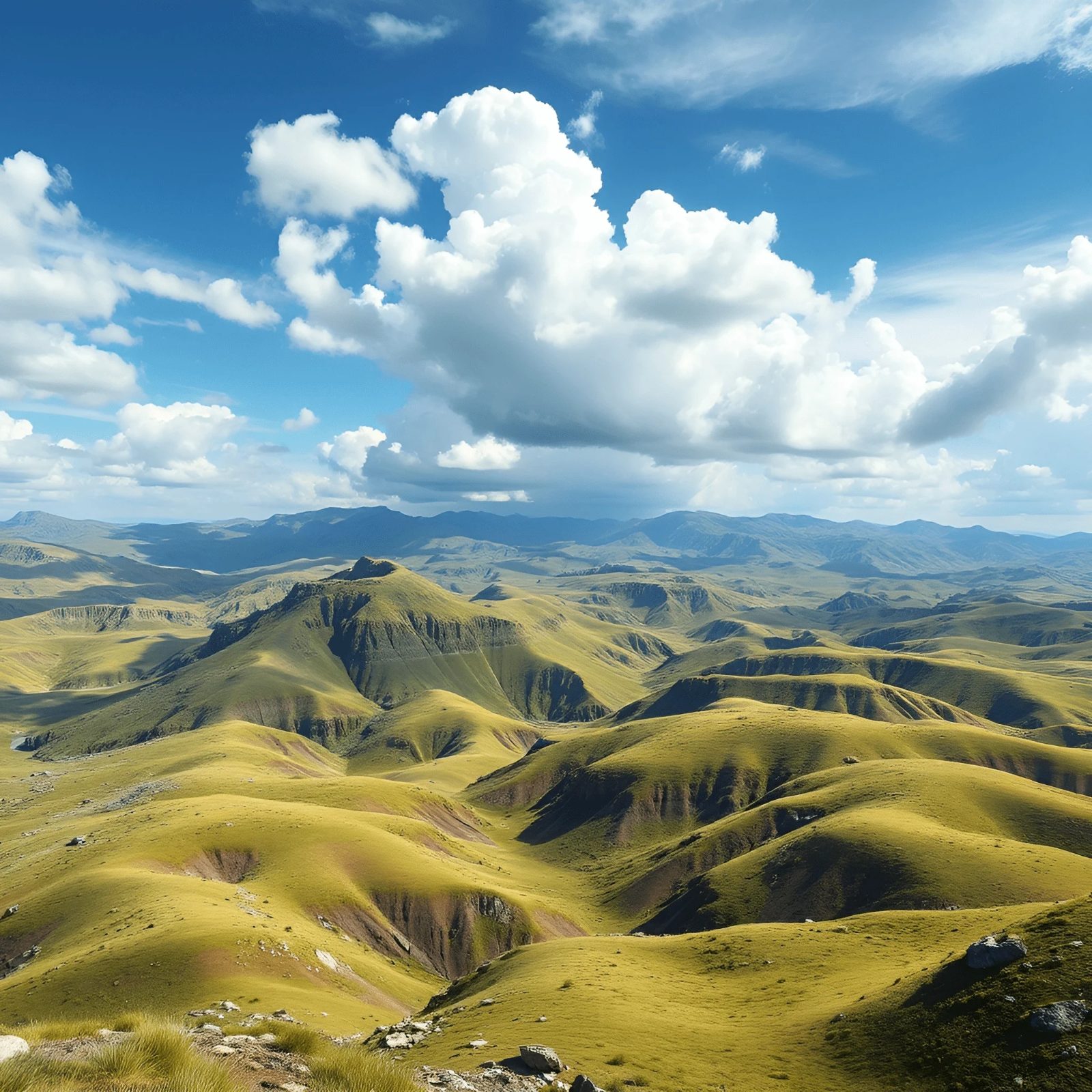
Characterized by hilly, lush terrain in the north, this zone supports high concentrations of elephant and buffalo. The dense vegetation and varied topography provide essential cover for predators.
Focus on river crossings during dry periods for higher visibility.
iMfolozi Sector
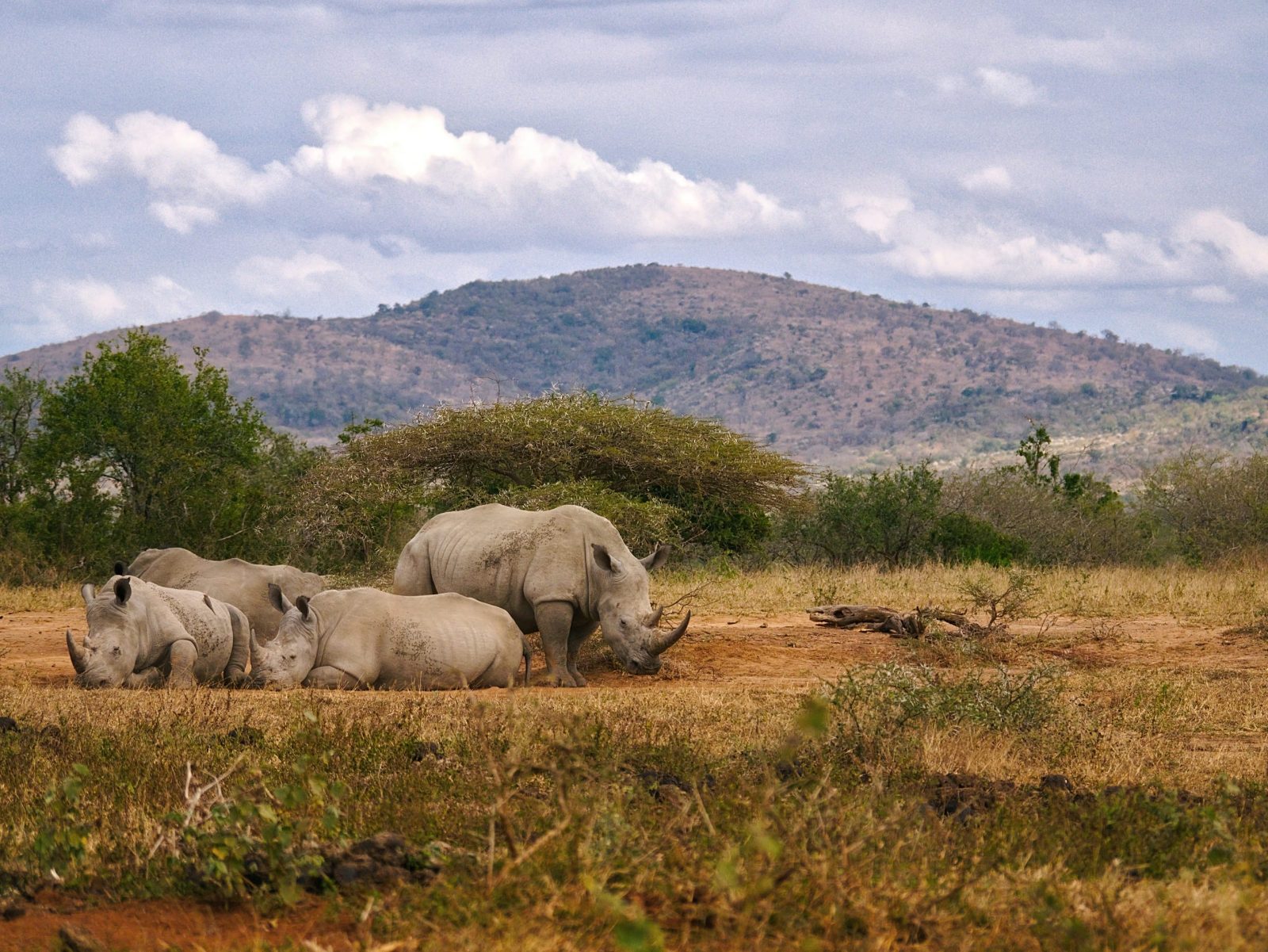
The southern region consists of open savanna and acacia woodlands, known as the historic sanctuary for white rhino populations. The flatter landscape allows for easier long-distance spotting of wildlife.
Scan the open plains early in the morning for grazing rhinos.
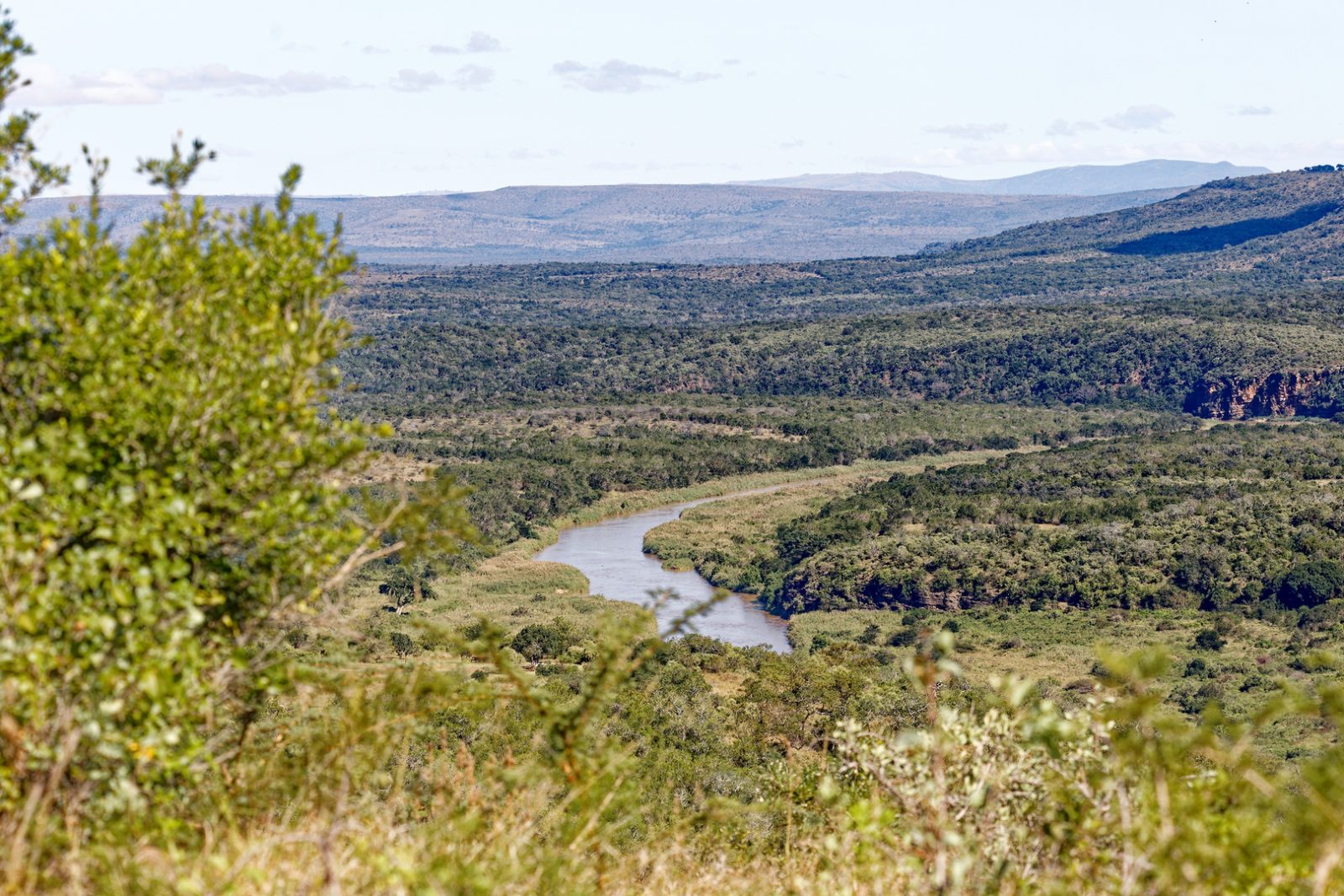
Black Mfolozi River
This river system bisects the park and serves as a vital water source for wildlife throughout the year. The riverbeds often attract lions and leopards seeking prey in the surrounding thickets.
Watch from elevated points overlooking the dry riverbeds.
Centenary Capture Centre
Located near the northern entrance, this area features displays detailing the historical conservation efforts to save the white rhino from extinction. It provides context for the success of the current population.
Visit the center to understand local wildlife conservation history.
Preparation Checklist for the Best Safari in Africa to See the Big 5
Preparation ensures a smooth self-drive or guided safari experience in Hluhluwe-iMfolozi Park.
-
Book accommodation in advance — Lodges and campsites fill quickly during peak wildlife months.
-
Confirm vehicle suitability for gravel roads — Self-drive requires a sedan-capable route or 4x4 for certain wilderness tracks.
-
Pack binoculars and a camera — Spotting distant wildlife and capturing predator sightings requires optical equipment.
-
Bring sufficient water and snacks — Limited facilities exist within the park's 96,000-hectare expanse.
-
Download an offline map — Cell signal is unreliable across most of the reserve.
-
Wear neutral clothing and closed shoes — Earth tones prevent spooking animals; sturdy footwear suits uneven terrain at viewpoints.
-
Arrive by 05:00–07:00 — Early entry maximizes predator activity before heat reduces wildlife visibility.
Check availability
Frequently Asked Questions About Hluhluwe-iMfolozi Safaris
Everything you need to know about best safari in africa to see the big 5