
Quick answer
The Big 5 safari animals are the African lion, African leopard, African elephant, black and white rhinoceros, and Cape buffalo. These five species earned their collective name from early 20th-century big-game hunters who considered them the most dangerous and challenging to track on foot. Hluhluwe-iMfolozi Park in KwaZulu-Natal protects healthy populations of all five, making it one of South Africa's premier Big 5 destinations.
Hluhluwe-iMfolozi Park holds the oldest proclaimed nature reserve in Africa, gazetted in 1895 to save the last remaining southern white rhinos from extinction. That conservation success story continues today—the park now supports the largest population of white rhinos on Earth, along with a critically important black rhino population. Seeing both rhino species in a single morning drive is possible here, a feat few other reserves can match. Lions returned to the park through a reintroduction program in the late 1950s, and the pride structure remains stable across the reserve's varied terrain. Leopards occupy the dense riverine thickets and rocky koppies throughout both the Hluhluwe and iMfolozi sections, though their nocturnal and solitary nature makes sightings less predictable than the other four species. Elephant herds move between the park's acacia woodlands and water sources, particularly visible during the dry winter months when vegetation thins. Cape buffalo gather in large herds near the park's river systems and vleis, often numbering in the hundreds during the wet season. Understanding what are the big 5 safari animals means recognizing why these particular species anchor wildlife tourism across southern Africa. The designation carries historical weight, but the animals themselves represent ecological keystone species—apex predators, mega-herbivores, and ecosystem engineers that shape the landscape around them. At Hluhluwe-iMfolozi, conservation management balances the needs of all five species within a finite protected area, making every sighting a reflection of decades of habitat restoration and anti-poaching work. The best strategy for encountering all five combines early morning game drives between 05:00 and 08:00 with late afternoon sessions starting around 15:30. Experienced guides track spoor and monitor radio reports to position vehicles where sightings are most likely. The park's self-drive network allows independent visitors to cover ground at their own pace, though guided drives increase the odds of spotting elusive leopards and understanding the behavioral cues that signal nearby predators. Most visitors see four of the five species within a full day of driving; completing the set often requires a second day or exceptional timing.
“Hluhluwe-iMfolozi holds the oldest proclaimed nature reserve in Africa, gazetted in 1895 to save the last remaining southern white rhinos from extinction.”
What Are the Big 5 Safari Animals and Their Significance?
The term Big 5 originally referred to the most difficult and dangerous animals for hunters to track and kill on foot. Today, Hluhluwe-iMfolozi Park preserves these species, most notably playing a primary role in the global survival of the white rhino.
1. Rhino conservation history
Hluhluwe-iMfolozi Park is globally recognized for Operation Rhino, a project initiated in the 1960s that saved the southern white rhino from the brink of extinction. The park remains a primary sanctuary for this species.
2. African lion social structures
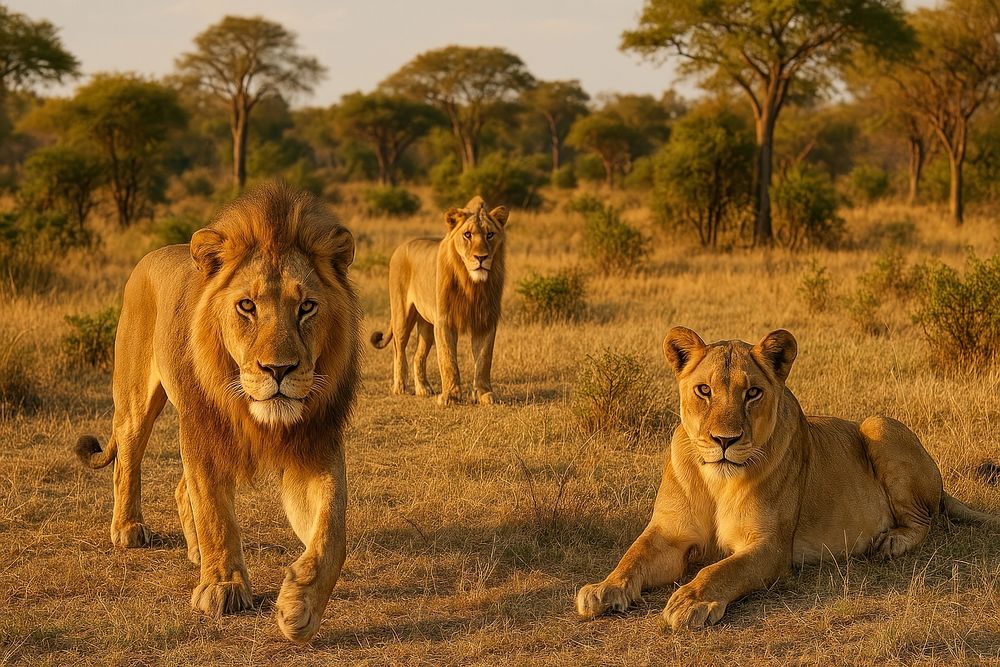
Lions in the park live in prides that typically consist of related females, their offspring, and a small coalition of dominant males. They are the only social cats in the big five group.
3. African leopard elusive nature
Leopards are solitary and nocturnal, making them the most challenging of the five to spot during daylight hours. They rely on their camouflage and ability to climb trees to secure prey.
4. African elephant size
The African elephant is the largest land mammal on earth and plays a vital role in the park's ecosystem by clearing vegetation and creating water holes. They consume hundreds of kilograms of plant matter daily.
5. Cape buffalo temperament
Often considered the most temperamental of the group, the Cape buffalo forms large herds for protection. They are known to remain defensive when threatened by predators or human disturbance.
6. The original definition
The label Big 5 was coined by big-game hunters to identify the five most dangerous animals to hunt on foot in Africa. The list includes the lion, leopard, elephant, buffalo, and rhino.
Best Time to See What Are the Big 5 Safari Animals
The optimal time to observe the Big 5 is during the dry winter months when vegetation thins and animals congregate near water sources. Planning your visit for the early morning arrival window of 05:00–08:00 maximizes these sightings before the heat of the day causes wildlife to seek shade.
May to September
Low to moderate crowdsCool mornings, 10°C to 25°C
Sparse vegetation makes spotting animals easier as they remain active longer.
October to April
Higher during holidaysHot and humid, 20°C to 35°C
Rainfall increases green cover, making animals harder to track during warmer periods.
Daily mornings
Minimal congestionCooler temperatures before midday heat
Early access allows for sightings during peak animal activity before midday heat.
Verdict: The best opportunity to spot the Big 5 is during the dry season from June to August, arriving daily between 05:00 and 08:00.
Opening Hours for Those Seeking What Are the Big 5 Safari Animals
Hluhluwe-iMfolozi Park operates on a consistent daily schedule throughout the week. Visitors planning to observe the Big 5 can access the park grounds within these established operating hours.
| Monday | 05:00–18:00 | |
|---|---|---|
| Tuesday | 05:00–18:00 | |
| Wednesday | 05:00–18:00 | |
| Thursday | 05:00–18:00 | |
| Friday | 05:00–18:00 | |
| Saturday | 05:00–18:00 | |
| Sunday | 05:00–18:00 |
Getting to Hluhluwe-iMfolozi to Discover What Are the Big 5 Safari Animals
Hluhluwe-iMfolozi Park is situated in the KwaZulu-Natal province of South Africa. The most practical way to reach the park gates is by private or rental vehicle, allowing for flexibility when navigating the reserve's road network.
N2 highway to Hluhluwe or Mtubatuba exits
R618 connecting the park gates
Private transfer services from Durban or Richards Bay
Check availability
FAQs: Discovering the Big 5 at Hluhluwe-iMfolozi Park
Everything you need to know about what are the big 5 safari animals